12. From the ground up - Insect for a moment
The piece stems from a reflection on the asymmetric relationship between humans and nature, a bond increasingly marked today by logics of dominance, exploitation, and distance. This human being, probably intended solely as "man," lives in vertical nests, urban clusters dense with squared buildings. Who pushed these people to huddle in this place? While the city seems to be the home of man, nothing there has the same measure and matter as the earth. In the city, the deep connection does not happen; the earth is difficult to encounter along the way, often considered as "evil" or "dirty" because it leaves changing traces, whereas the houses people inhabit are composed of traces that never change.
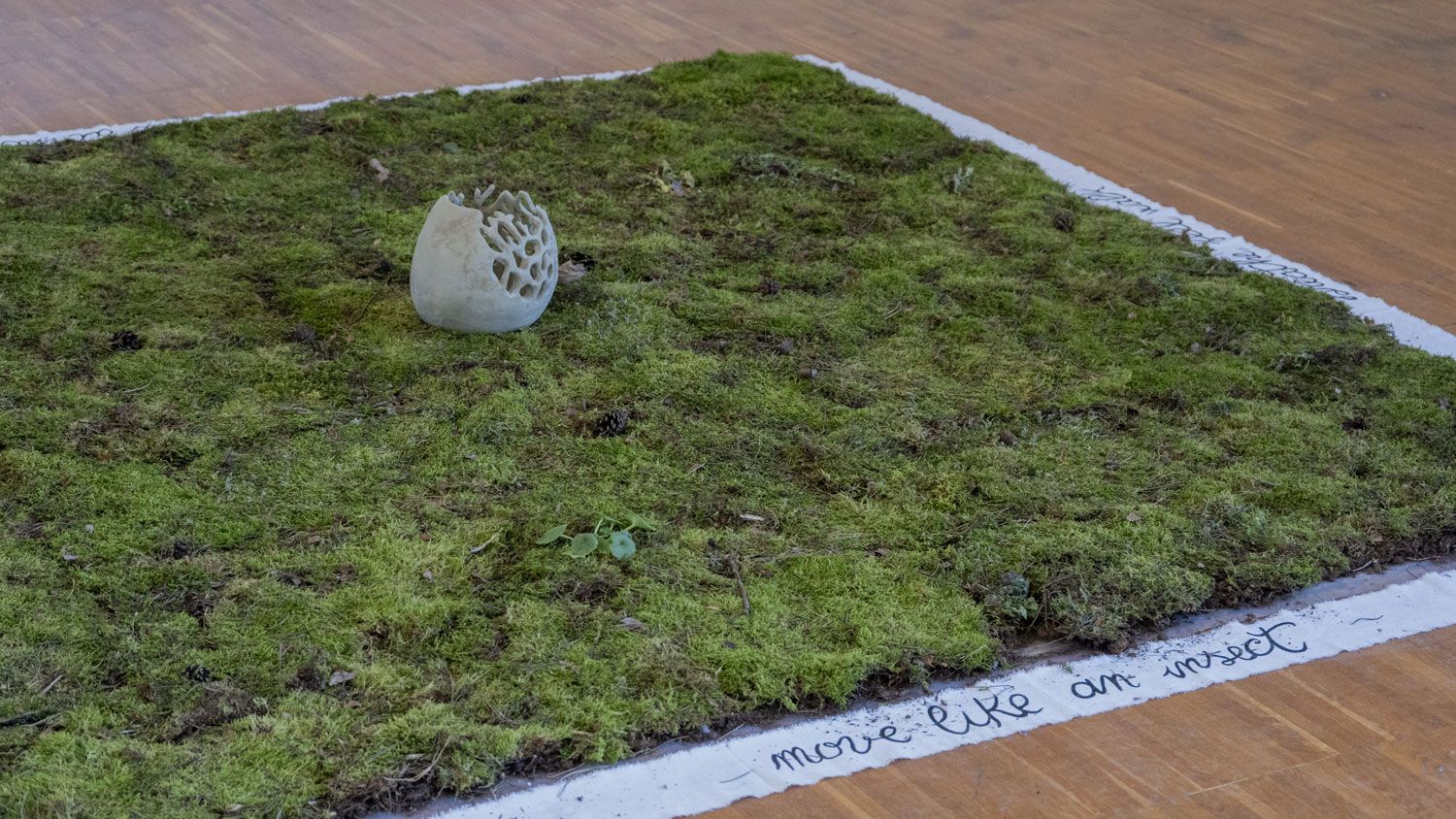
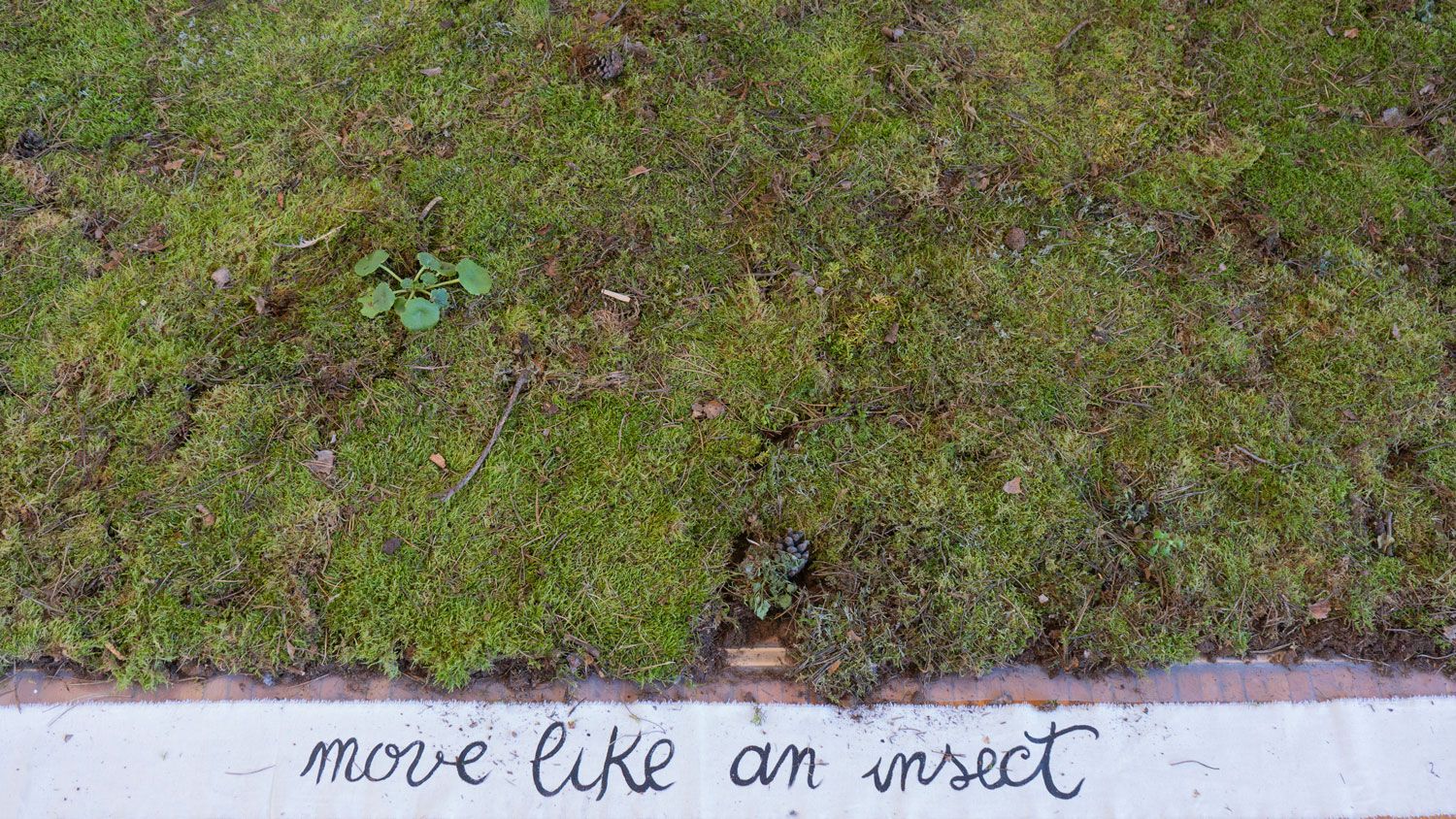
The musical structure takes the insect world as a model: minimal, repetitive movements, apparently chaotic but actually governed by complex and interdependent logics. In the first part, the piano is fragmented and transformed through granular synthesis: the sound multiplies into swarms, nervous vibrations, and micro-events that evoke the walking, crawling, and continuous friction of invisible but essential life forms. These busy inhabitants of the garden are subtle and fragile beings, just like the environment they inhabit. The insect is an unwanted guest in the vertical nest of man, but here it is revered; a resident of everyone's garden. Walking barefoot on the garden forces one to identify with the insect, to reach the center, the seed from which everything is born.
Live electronics do not act as a mere timbral extension but as an environment: a sonic ecosystem that reacts, amplifies, and preserves the traces of acoustic instruments. Only in the second half of the piece does the voice emerge as a powerful declaration: "we need nature, we are nature." It is a human presence that enters cautiously into an already existing equilibrium, emphasizing the importance of returning to a way of living as nature rather than as a separate entity. The language becomes a sonic gesture, an act of reconciliation supported by a pacified instrumental texture. This contact is necessary: "I, to feel well, walk barefoot on the lawn; this contact is necessary for the continuation of my life."
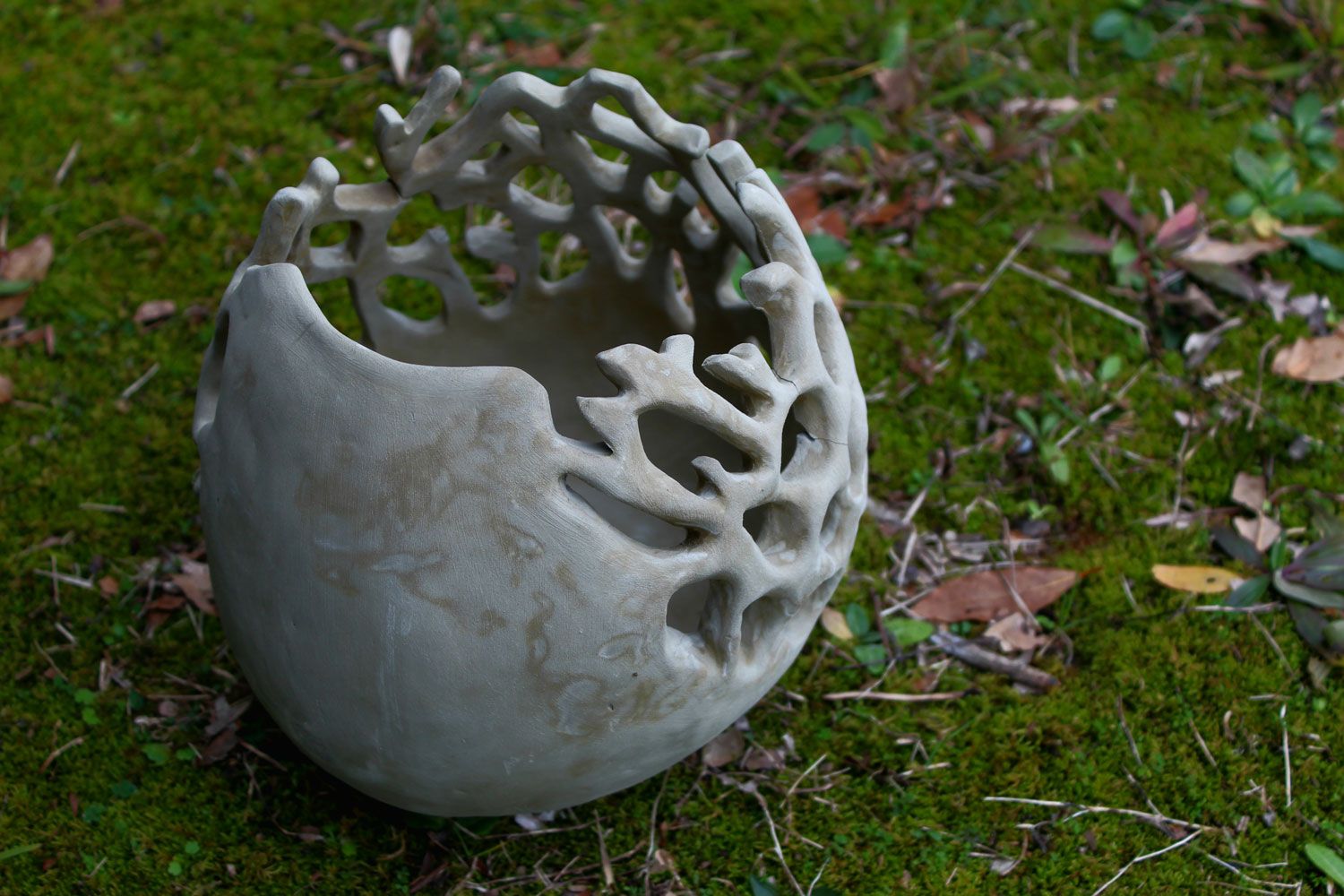
The visual intervention does not simply illustrate the music but shares its conceptual tension: the perception of time and the silent presence of natural forms. The garden is that place where man feels like the protagonist but is not at all; it depends exclusively on time. We struggle to give a direction to the plant, but it lives in freedom. Quite different is the environment surrounding the home: the woods, the "third landscape," is not a garden. One is unable to control it; the components of the garden travel and move in silence following the wind.
Sound and image coexist as two layers of a single sensory environment, inviting the listener-viewer to slow down their gaze and listening, and to reconsider their position within the ecosystem. It is not a triumphant resolution, but a fragile state of coexistence. Inside the woods, the desire to enter an environment of earth and moss prevails: "this environment and I are the same, we possess the same matter." It reminds us how connected we are, existing in a space where one is no longer the gardener but a part of a shared, uncontrollable life.