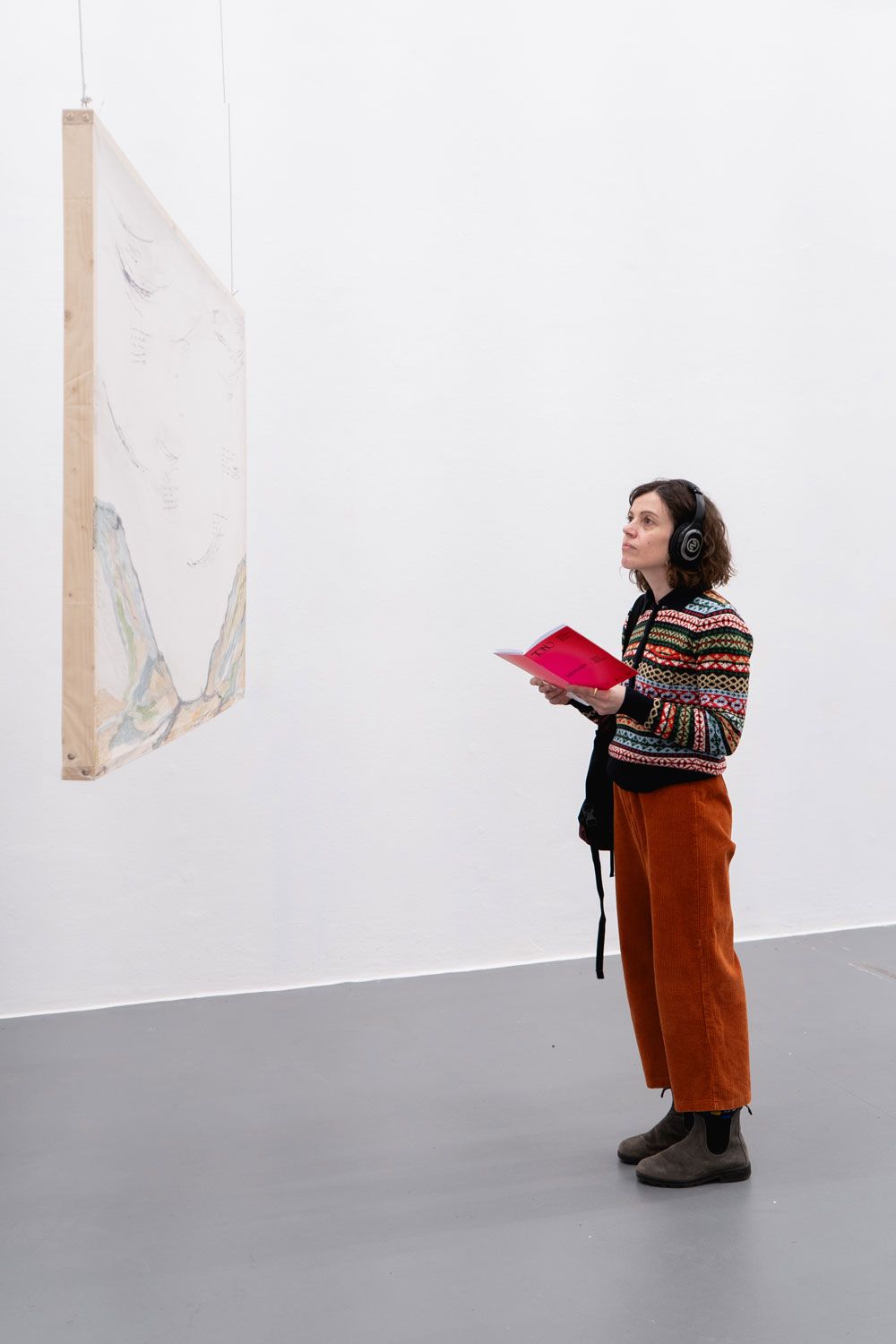
6. Tangle of memory - Apart
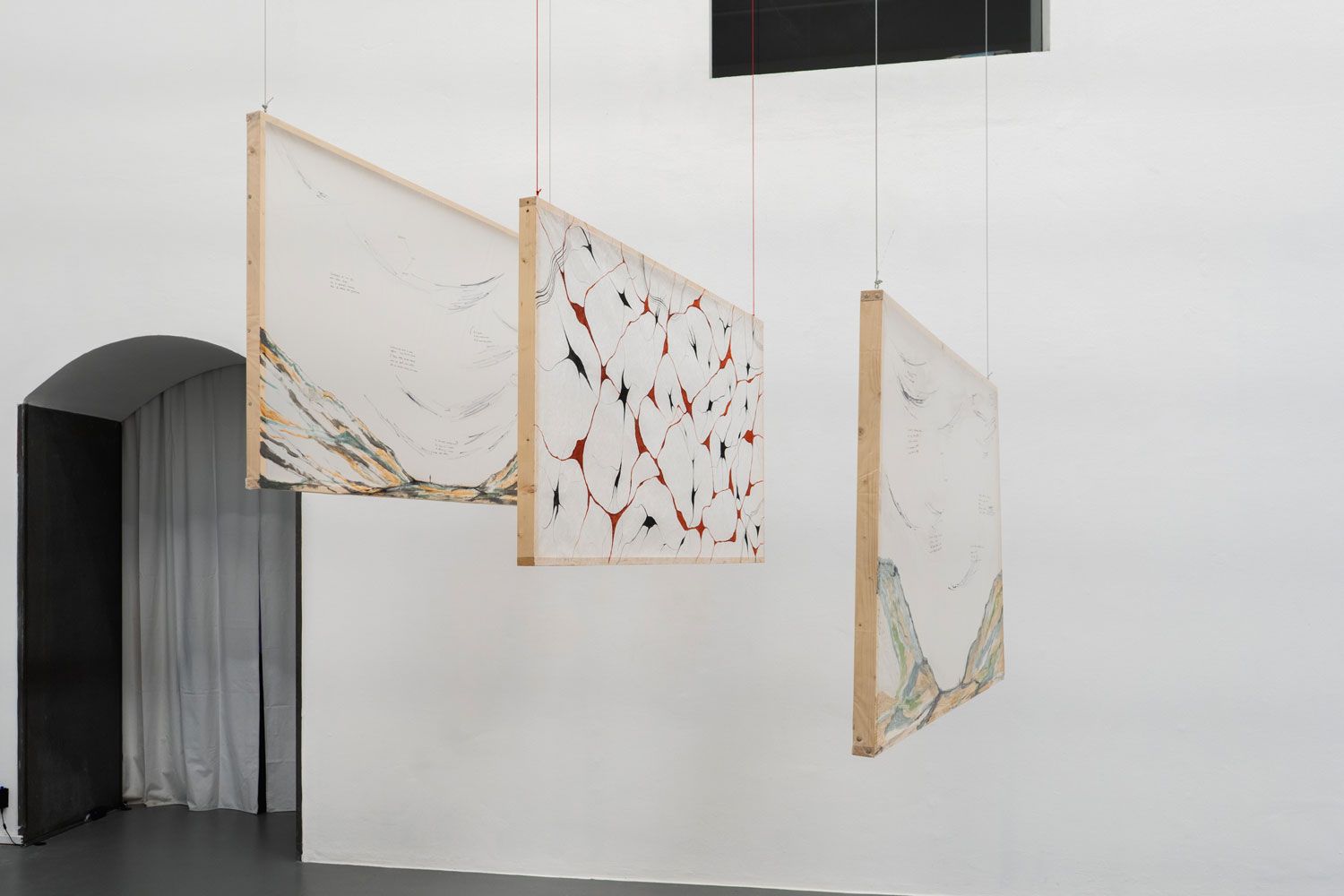
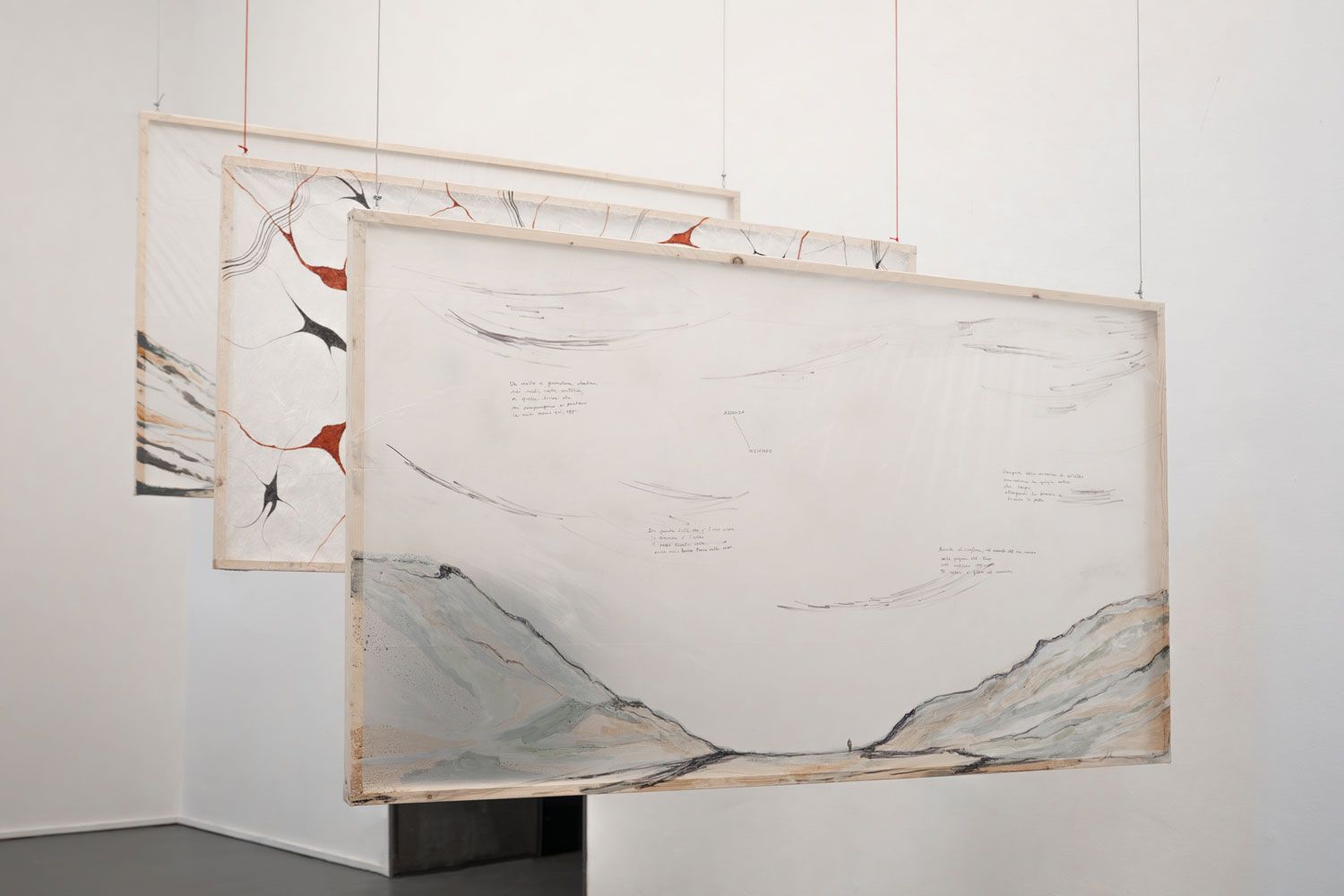
The work originates from the idea of reconstructing a cartography of memory: an emotional map composed of traces and connections, intended to narrate what remains through fragments and evocation. In the presented project, the concept of the “glimpsed” prevails, where the misty landscape on both sides represents a suspended space in which memories settle and resurface. The piece unfolds as a sensitive device that reactivates perception, suspends time, and generates emotional rhythms, finding a sonic extension in Apart, a composition for soprano, piano, tuba, and live electronics. Based on the dialogue between acoustic instruments and chords and harmonies introduced by electronic ones, the music evokes an imaginary space—distant yet close, almost absurd—where sound, darkness, and silence coexist and simultaneously collide.
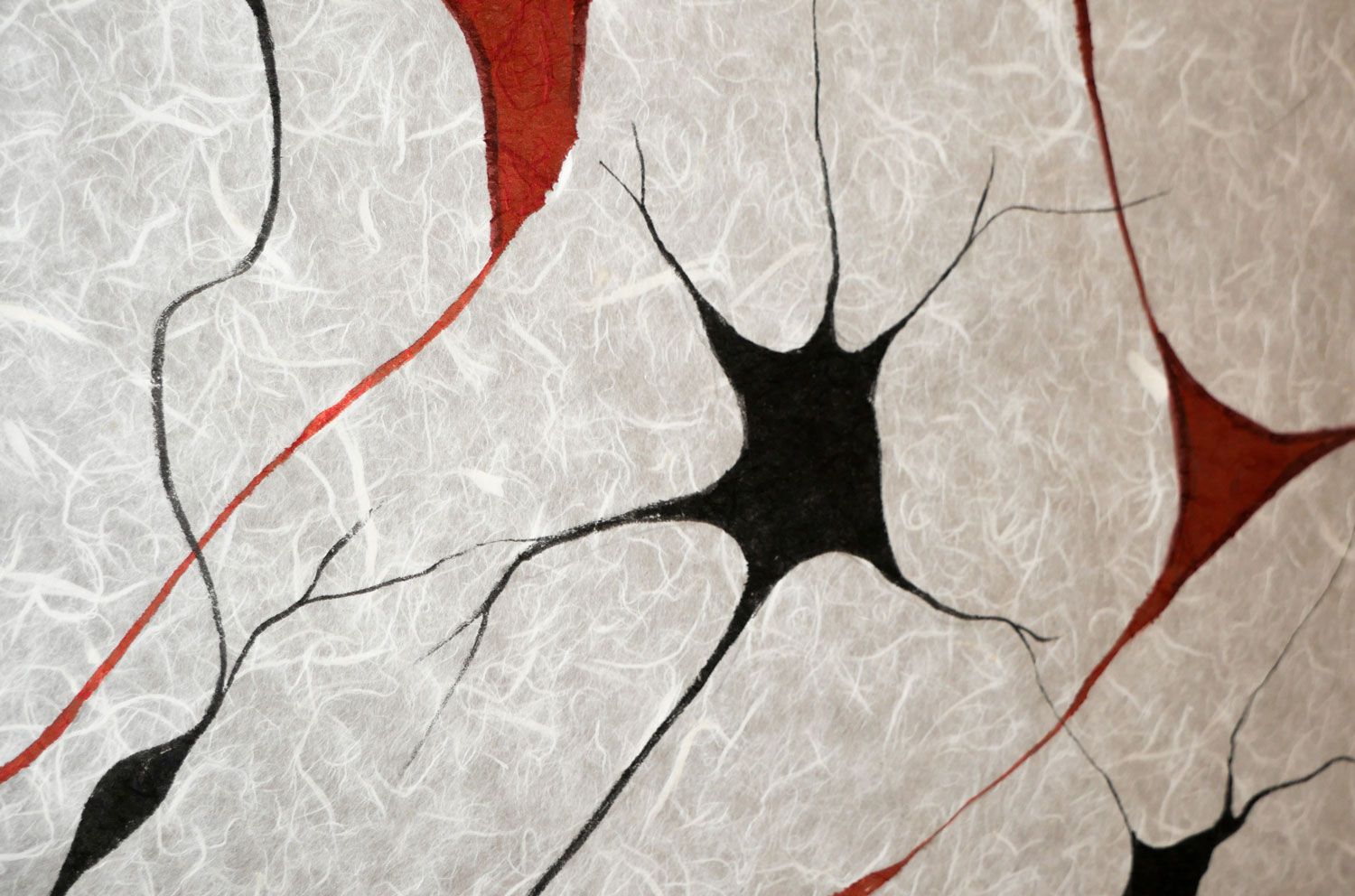
Within this scenario, the central canvas functions as a layer of inner skin, where veins of transmission form a network that generates connections among the tangles of memory. The language of the installation is that of visual poetry, and the materials used evoke lightness, stratification, and transparency; from this emerges a reference to skin, understood as a living, permeable surface capable of receiving traces and inscriptions. Plastic sheets and paper act as sensitive membranes, producing transparencies and contrasts that allow glimpses of what emerges in flashes of light, while the piano initially appears as a disturbing element, with brief interventions that gradually become more substantial and, at the same time, shatter. Thus, moments of varying density and expressiveness are created, also resulting from the different relationships with the other instruments, just as memory manifests itself as a residual glimmer—an echo that passes through layers and takes shape as it surfaces across the planes of the work.
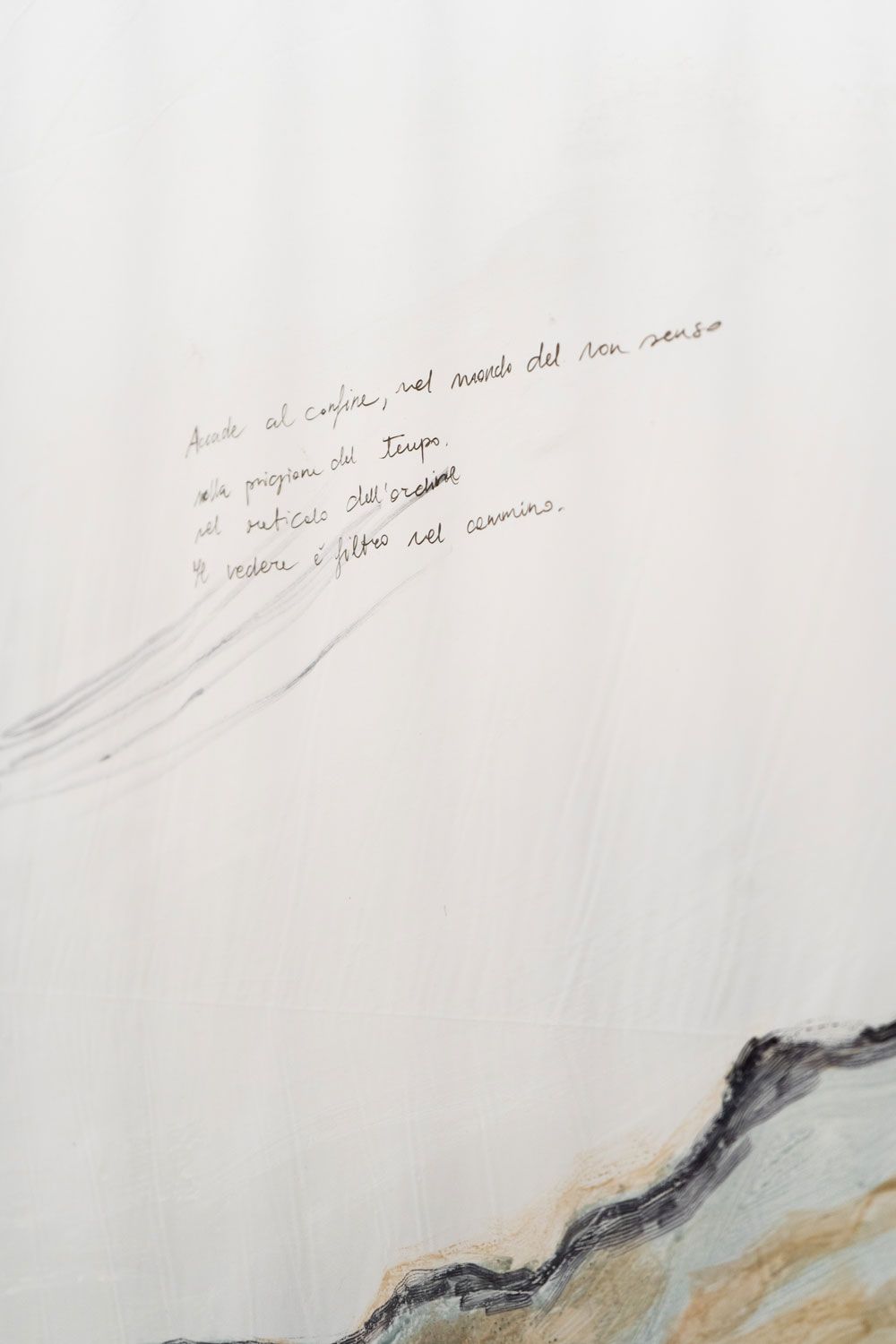
The installation establishes a relationship between the viewer’s gaze and body, inviting them to grasp what emerges within the folds of time. Another significant element is the landscape: a suspended territory where word and mark are deposited. It is transcribed and painted onto light, almost immaterial surfaces, supported by frames that allow them to exist. The surface thus becomes a stratified emotional map, in which signs and words emerge as fragments of memory. The poetic reference is L’intravisto by Elisa Biagini, which explores thresholds and fissures of vision: the line “The memory of where is a residual glimmer of the brain” enters into dialogue with the histological plates of Camillo Golgi, a reference that inspired the tangle of memory as a neural network—an emotional epidermis in continuous emergence.